Luxury Real Estate Marketing: What Actually Differentiates a Top-of-Market Listing
Half of homes over $1 million are marketed with mediocre photos. What actually separates luxury marketing that works from an expensive version of the same generic listing.
 Hailey JeonMarketer, vProp5 min read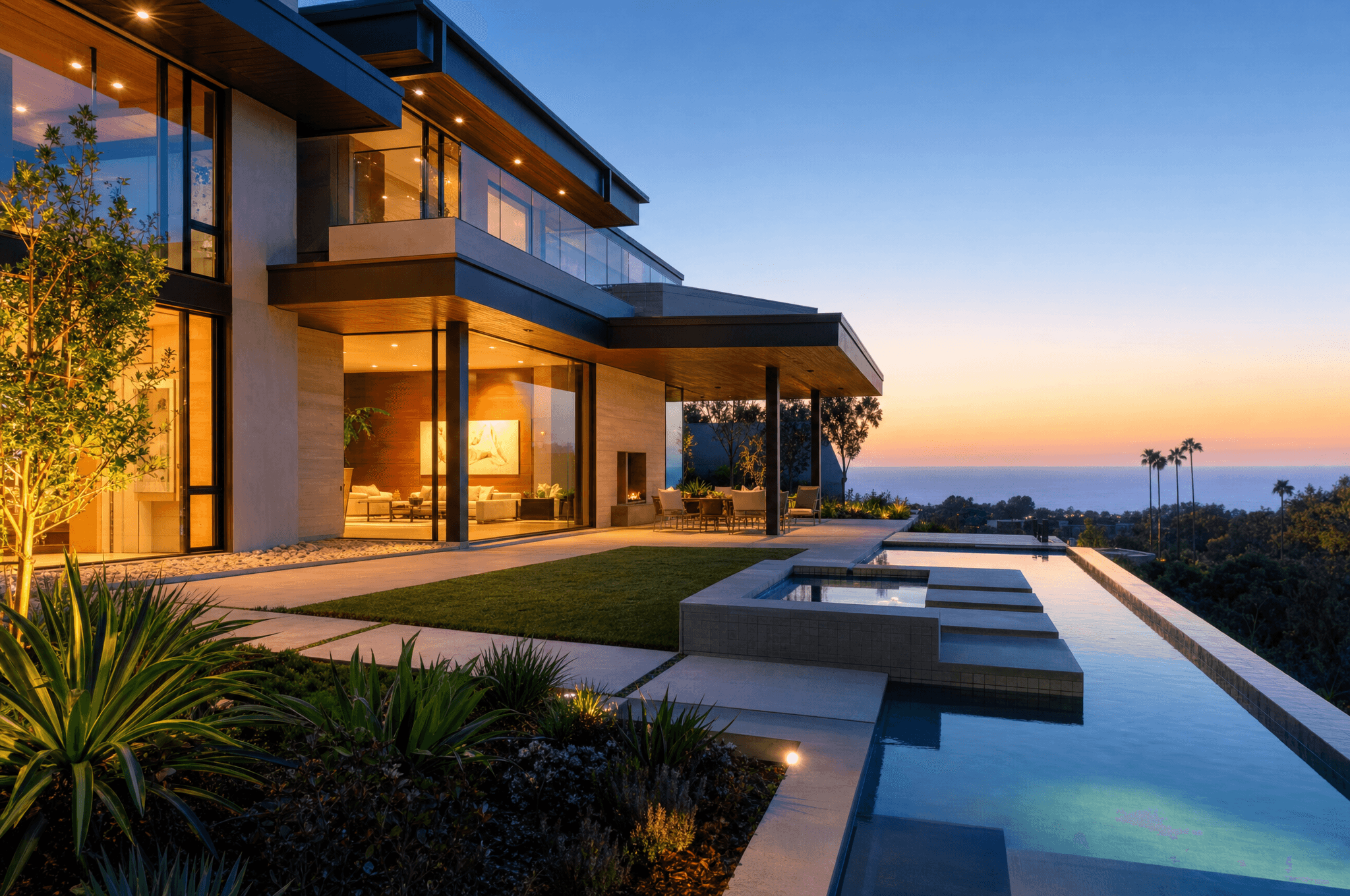
TL;DR
The gap between an average listing and a luxury one usually isn't the marketing budget. It's that a large share of homes priced over $1 million are still marketed with ordinary photography, which means the bar to actually stand out is lower than most agents assume.
Luxury buyers tend to be more research-driven and visually critical than the broader buyer pool, comparing more listings side by side before ever scheduling a showing. Getting the foundational photo and video quality right matters more here, not less, and it's usually the first thing worth fixing before spending on anything else.
The gap between an average listing and a luxury one isn't the price tag on the marketing budget. It's that half of homes priced over $1 million are still marketed with mediocre photography, which means the bar to stand out at the top of the market is lower than most agents assume.
Luxury buyers are, on average, more research-driven and more visually critical than the broader buyer pool. They've seen more homes, they compare more listings side by side, and a weak photo set reads as a mismatch between the price and the presentation before they've even scheduled a showing.
Photography and Video Do More Work at the Top of the Market
Across the board, listings with high-quality photos get significantly more online views and sell meaningfully faster than those with average images. At the luxury tier, that gap widens, because the buyer is often out of state, out of the country, or simply too busy to tour every option in person before narrowing their list.
Video does something photos alone can't: it communicates scale and flow, which matters more in larger homes where a floor plan is harder to mentally reconstruct from stills alone. A well-shot walkthrough is one of the few marketing assets that can substitute for an in-person visit in a buyer's early decision-making.
Positioning Matters More Than Volume of Marketing
Luxury marketing that works rarely looks like more content. It looks like more restraint: fewer, better images; a narrower distribution list built around genuinely likely buyers instead of a mass blast; and copy that describes the property's actual character instead of generic superlatives that every listing in the price range also uses.

Hailey Jeon
Marketer, vProp
Hailey Jeon is a marketer at vProp, writing about real estate marketing, listing videos, and the tools agents use to win and market listings. Hailey's guides focus on practical steps agents can use on their very next listing.